Compare Local Contractors for Well Installation Success
Compare local contractors for well installation to define project scope, verify experience, and set clear expectations in writing for a successful outcome.
Well installation contractors typically handle a range of services related to establishing a reliable water supply on a property. This work often includes drilling or digging to access underground water sources, installing the well casing and pump system, and ensuring proper sealing and sanitation measures are in place. Depending on the property’s location and specific needs, contractors may also provide additional services such as water testing, system maintenance, and troubleshooting to ensure the well functions properly over time. Understanding the scope of work involved helps property owners determine what services are necessary and ensures the project aligns with their long-term water needs.
Defining the scope of well installation work is a critical step in selecting the right service provider. Clear communication about the specific tasks involved-such as the depth of the well, type of pump, and any site-specific challenges-helps prevent misunderstandings and sets realistic expectations. Property owners should verify that contractors have experience with similar projects and understand local regulations or site conditions that could impact the work. Documenting the scope in writing provides a reference point throughout the project, helping to ensure that all parties agree on the work to be performed and the responsibilities involved.
Comparing local contractors for well installation involves evaluating their experience, reputation, and ability to meet project requirements. Property owners can gather information by reviewing credentials, seeking references, and checking for any relevant local permits or certifications. It’s also helpful to ask about previous projects similar in scope and complexity, and to verify that the contractor understands the specific needs of the property. By focusing on the contractor’s experience, communication, and clarity in outlining the scope of work, property owners can make informed decisions and select a service provider capable of completing the project to meet their expectations.
Compare local contractors by outlining your project priorities, verifying experience, and setting clear expectations in writing.
- Compare Contractor Credentials - Review the experience and reputation of local contractors to ensure reliable well installation services.
- Define Project Scope Clearly - Outline specific requirements and expectations to communicate effectively with service providers.
- Verify Experience and References - Check the background and past work of local contractors to assess their suitability for the job.
- Document Agreements in Writing - Establish clear, written agreements detailing the scope of work and responsibilities before work begins.

Clearly define your well installation project and compare local contractors based on experience, scope, and written expectations.
- Verify experience and expertise in well installation to ensure contractors are knowledgeable about proper procedures. - Review the scope of work and ensure it clearly defines the tasks and responsibilities involved in the installation process.
- Compare multiple service providers to evaluate their qualifications, reputation, and approach to well installation projects. - Check references or reviews to gauge the quality of previous work completed by the contractors.
- Ensure that the scope of work and project expectations are documented in writing for clarity and accountability. - Confirm that agreements specify the materials, methods, and responsibilities involved in the installation.
- Assess the contractor’s knowledge of local regulations and permits related to well installation to ensure compliance. - Ask about their familiarity with regional codes and necessary approvals for well projects.
- Discuss the installation process to understand the techniques and equipment the service providers plan to use. - Make sure their approach aligns with industry standards and best practices.
- Evaluate the contractor’s communication style and responsiveness to ensure clear and consistent information exchange. - Choose providers who are transparent and willing to answer questions about the scope and procedures.
Use this to compare local contractors, clarify project scope, verify experience, and set clear expectations.


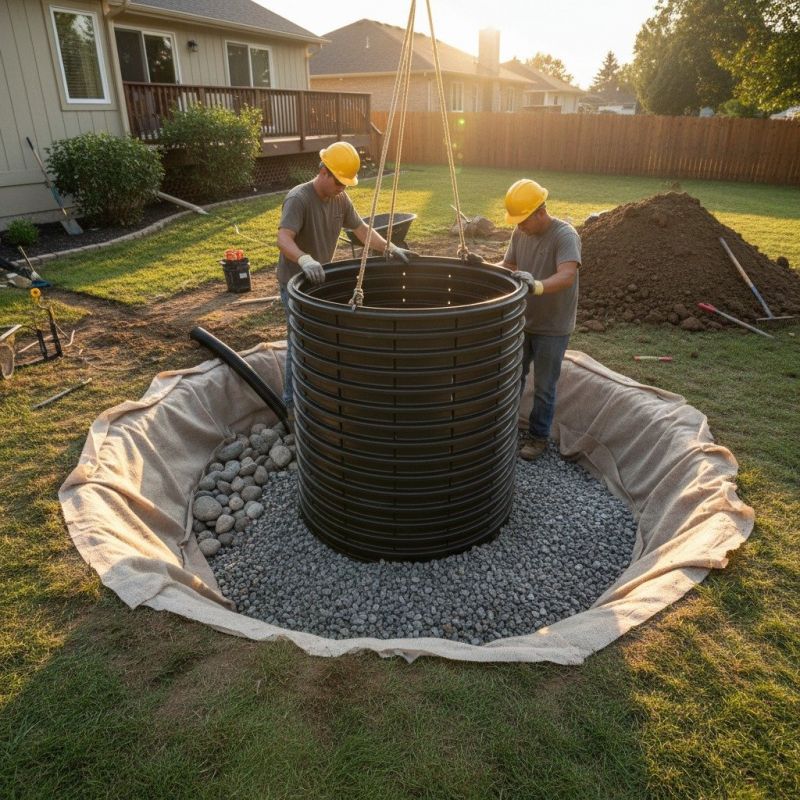

Learn how to compare well installation contractors, define project scope, verify experience, and set clear expectations in writing.
- Scope Definition - Clearly outline the specific tasks and responsibilities involved in the well installation project.
- Experience Verification - Confirm that service providers have relevant experience with well installation in similar settings.
- Material and Equipment Specifications - Specify the types of materials and equipment that will be used during the installation.
- Site Preparation and Conditions - Describe the site requirements and conditions necessary for the installation process.
- Documentation and Expectations - Ensure all project details, scope, and expectations are documented and agreed upon in writing.
When comparing contractors for well installation, it is important to consider their experience with similar projects. Service providers that have a proven track record in installing wells comparable in depth, geology, and complexity to the homeowner’s site are more likely to understand the specific challenges involved. Asking about past projects, the types of well systems they have installed, and the environments they have worked in can help gauge their familiarity with the work required. A contractor’s experience can influence the quality of the installation and the long-term performance of the well.
Clear communication about the scope of work is essential when evaluating well installation contractors. A detailed, written description of what the project entails-including site preparation, drilling methods, equipment used, and the installation process-helps ensure all parties have aligned expectations. Service providers should be willing to provide a comprehensive scope that covers every aspect of the work, reducing the risk of misunderstandings or overlooked details. An explicit scope also serves as a basis for comparing different contractors’ approaches and thoroughness.
Verifying the basics of a contractor’s qualifications involves assessing their understanding of well installation requirements and their ability to deliver a reliable project. This includes reviewing their process for site assessment, how they determine suitable well locations, and their methods for ensuring the integrity of the well structure. It can be helpful to inquire about their approach to testing the well’s functionality and ensuring proper sealing and sanitation. A contractor that can clearly explain these verification steps demonstrates a solid understanding of the essential elements needed for a successful installation.
When evaluating options for well installation, it is important to focus on the contractor’s experience, scope of work, and verification procedures rather than solely on price or availability. Comparing the details of the scope, the clarity of communication, and the thoroughness of their verification process can reveal which service providers are more likely to deliver quality results. Asking for references or examples of past work can also provide insight into their expertise and reliability. Ultimately, selecting a contractor based on their ability to define and execute a comprehensive, well-understood plan can lead to a more successful and satisfying installation experience.
Ask contractors to provide written scope descriptions to ensure clear expectations and consistent project understanding.
- Experience and Expertise - How can I verify the experience and background of local contractors for well installation?
- Scope of Work - What details should be included to clearly define the scope of the well installation project?
- Services Offered - Do contractors provide specific services or specialties related to well installation that I should compare?
- Qualifications and References - How can I request and evaluate references or past projects to assess a contractor’s reliability?
- Written Agreements - What key elements should be outlined in a written agreement to set clear expectations?
What should I consider when choosing a contractor for well installation? It's important to compare local contractors based on experience, reputation, and the scope of services they offer. Ensuring clear communication about project details helps set accurate expectations.
How can I verify a contractor's experience with well installation? You can ask for references or examples of past projects, and confirm that the contractor has relevant experience handling similar well installation jobs in your area.
What questions should I ask a contractor before hiring for well installation? Inquire about their process, the scope of work, materials used, and how they handle permits or site preparation to ensure they meet your project needs.
Why is it important to define the scope of work in writing? Having a detailed written scope helps prevent misunderstandings, clarifies responsibilities, and ensures both parties agree on the project expectations from the start.
How can I compare different contractors for well installation? Review their experience, references, and scope of services, and ensure their proposals clearly outline the work to be done, so you can make an informed decision.
What role does communication play in selecting a well installation contractor? Open and clear communication helps ensure your project details are understood, expectations are aligned, and any concerns are addressed throughout the process.
This page has outlined key considerations for selecting contractors to handle well installation projects. Visitors can learn how to effectively compare different service providers, define the scope of work clearly, verify relevant experience, and ensure all expectations are documented in writing. These steps help in making informed decisions when connecting with local contractors who can meet the specific needs of the project.
Utilizing the quote form allows for straightforward comparison of options among local service providers. By providing details about the project, visitors can receive information that helps identify the best matches for their well installation needs. Taking this step supports a more organized approach to choosing the right contractor for the job.